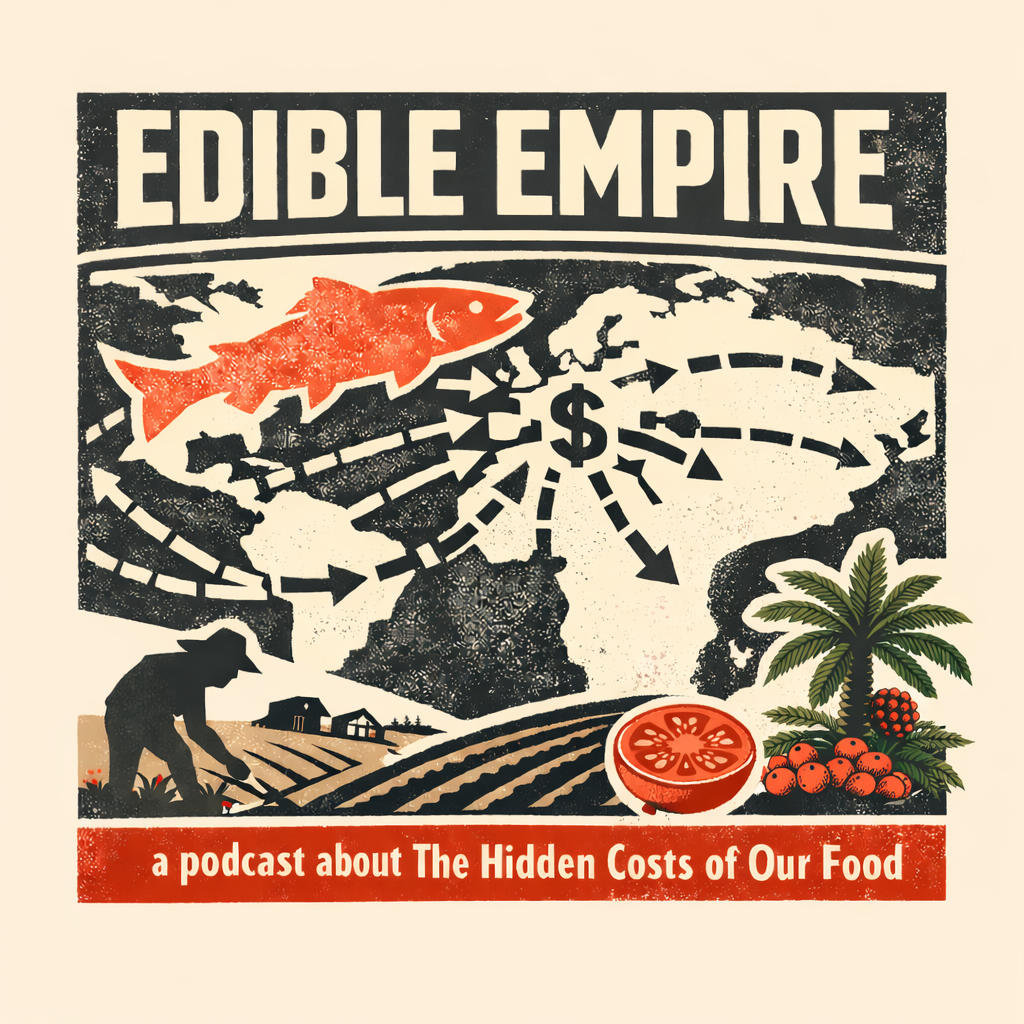
a podcast about the hidden costs of our food
This podcast dives into how our food is produced
We explore the hidden social and environmental impacts of our food
We look at history to understand who holds the power and how we can make the food system fairer

Our podcast features 6 episodes that bring together experts from across the world to talk about Food Imperialism, the social and environmental costs of our food, and how we can make the food system fairer.
Check out the six episodes listed below. Watch out for each episode and the individual expert interviews.
Have you ever wondered why your french beans from Kenya are cheaper than locally produced ones? Where do tomatoes come from in the middle of December? Or how salmon is cheaper now than it used to be?
This podcast series dives into the hidden world of food - how it’s produced, traded and consumed across the globe. Across this series of episodes, we’ll discuss everything from Norwegian salmon to New Zealand dairy, and how their supply chains and politics affects people continents away.
We’ll uncover hidden details about the extent of food trade pressures on poorer nations and peoples, and see how this practice has a long and dark history of exploitation and extraction.
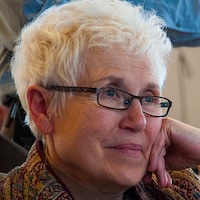
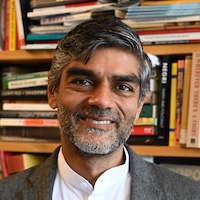
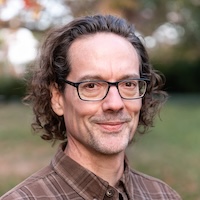
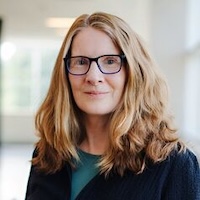
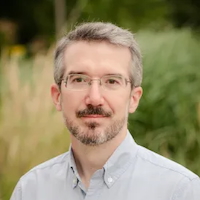
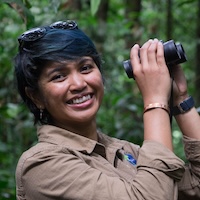
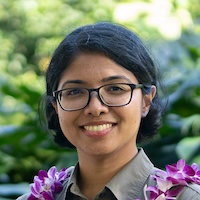
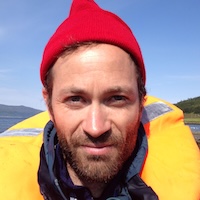
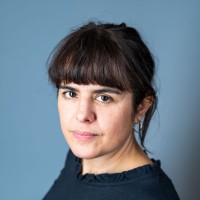
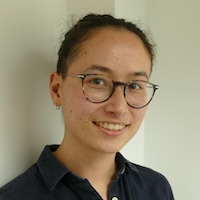
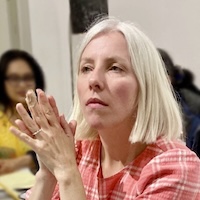
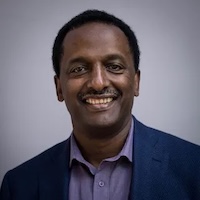
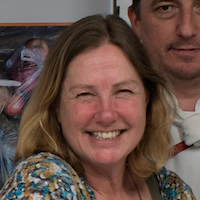
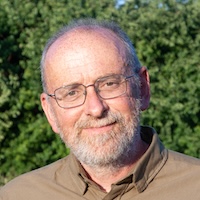
– Neal Haddaway, Benjamin Eitelberg, Emma Strutt, with editing from Kelly Allum
Co-host
Co-host
Co-host
Editor
Where does our food come from? Who works in the fields that produce our fruit and vegetables? Who is making profit from the food we eat? This episode sets the scene for the series, introducing the concept of food supply chains—the intricate trade routes that keep supermarket shelves stocked with produce all year round. But how did these global networks come to be? Tracing the history of our globalised food systems, we uncover why our food systems look the way they do today.
Featuring:
– Dr Raj Patel
– Prof Harriet Friedmann
Shownotes:
xxx
Professor Emerita, University of Toronto
Film-maker, academic, author, University of Texas
If empires once flew flags, today they file annual reports. This episode examines how large agrifood corporations increasingly function as sovereign actors within global food systems. From controlling vast transnational supply chains and shaping trade rules, to influencing national policy and disciplining labour across borders, corporations now wield powers historically associated with states. Focusing on agribusiness, food traders, and retailers, the episode asks how corporate concentration has reconfigured food imperialism, turning companies into the new “nations” of food empires, and what this means for accountability, democracy, and food sovereignty.
Featuring:
– Prof Phil Howard
– Prof Jennifer Clapp
Shownotes:
xxx
Professor, Michigan State University
Professor and Canada Research Chair, University of Waterloo
Starting with an early example of colonial control of overseas sovereign resources, this episode tracks one of the most ubiquitous ingredients in contemporary food production. It’s something you may not have in your store cupboard, but it’s almost impossible to avoid - palm oil. But where does it come from? When did it start being used in our food? And what is its legacy?
Oil palm is endemic to West Africa, but today grows in plantations across the tropics. Prized for its versatility and high yields, oil palm is now in most processed foods and countless cosmetics. Vast plantations have caused serious problems in countries like Indonesia, where native forest is destroyed to make way for huge single-species farms that displace people and destroy biodiversity.
But these modern issues stem from a dark history in a country torn apart by genocide and violent displacement - and one of the world’s biggest multinational corporations, Unilever.
Featuring:
– Prof Jonathan Robins
– Farwiza Farhan
– Prof Helena Varkkey
Shownotes:
xxx
Associate Professor of Global History, Michigan Technological University
Forest Conservationist, Yayasan HAkA
Associate Professor of Political Ecoogy, University of Malasia
What connects salmon farming in northern Europe with tomato farming in southern Spain? These two, seemingly distinct food supply chains ensure that our supermarket shelves are stocked with cheap, year-round food. What we don’t see, however, are the hidden links - the overfishing along the coast of West Africa that destroys local communities’ livelihoods and drives migration to Europe; the dangerous journeys by small boat where 1-in-5 people die; the entrapment of migrants arriving in exploitative agricultural labour in Spain’s intensive greenhouses.
This episode examines the story of salmon farming and tomato greenhouses - and highlights the hidden costs of commodified food.
Featuring:
– Simen Stætre
– Hazel Healy and Brigitte Wear
– Dr Aliou Ba
– María Alonso Martínez
Shownotes:
xxx
Journalist and author of The New Fish
Investigative journalist, DeSmog
Oceans Lead, Greenpeace Africa
Researcher
New Zealand’s image of clean, green pastures hides one of the world’s most intensive dairy industries. Behind each glass of milk there is a hidden web of global extraction: phosphate mined from occupied Western Sahara, palm kernel imported from deforested Southeast Asia, and polluted rivers flowing through Māori ancestral lands.
This episode traces how New Zealand’s dairy boom reshapes both local ecosystems and distant economies, from illegally occupied territories in West Africa to political power in New Zealand. Through the story of “white gold”, we uncover how even the purest landscapes are bound into the machinery of food imperialism.
Featuring:
– Dr Mike Joy
– Dr Milena Bojovic
– Dr Crystal Bennes
Shownotes:
xxx
Senior Research Fellow, University of Wellington
Lecturer, University of Technology Sydney
Artist and writer
Having heard about the deep history of extraction and exploitation inherent in globalised food supply chains, what does a fair food system look like? How could we ensure sufficient, diverse food choices for all whilst supporting those who produce it? This episode dives into proposed futures that challenge the intensive nature of traditional agrifood systems and the supply chains that deliver it, eventually, to our homes.
Featuring:
– Dr Anitra Nelson
– Dr Million Belay
– Ali Thomas
– Chris Smaje
Shownotes:
xxx
Activist-scholar, University of Melbourne
Co-founder, Alliance for Food Sovereignty in Africa
Co-founder, Shrewsbury Food Hub
Writer, small-scale farmer, social scientist
Join us as we summarise the key insights across our 17 interviews with leading experts from across food systems research and practice.
Drawing together insights on history, corporate power, imperialist extractivism, neoliberalism, food waste, social organisation, and activism, we'll aim to answer the question - what does a fair food system look like?
Listen to the episodeThis series was developed in partnership with the Planet Pulse Pacific podcast. It has been produced with incredibly generous, voluntary support from Benjamin Eitelberg, Emma Strutt and Kelly Allum, and, of course, all of our guests. Please follow Planet Pulse Pacific and listen to the podcast on your favourite platform!